/ Surya Fabric
Keep every location operating securely and at full speed, with network capacity and resilience that support your growth.
A complete network system, specified, configured and operated by Surya.
Surya Fabric provides the complete network system for your sites. We specify the equipment, configure and install it to a defined standard, test it before operation, and maintain its performance, security and recovery.
One defined system for the agreed sites, from equipment through ongoing operation: edge, switching, Wi-Fi, segmentation and connectivity on one released profile; Surya specifies, configures and operates the site network; the equipment, licensing and circuits are on your paper, through Surya or your current source,, installed and tested before the site runs on it, then maintained with a tested recovery procedure.
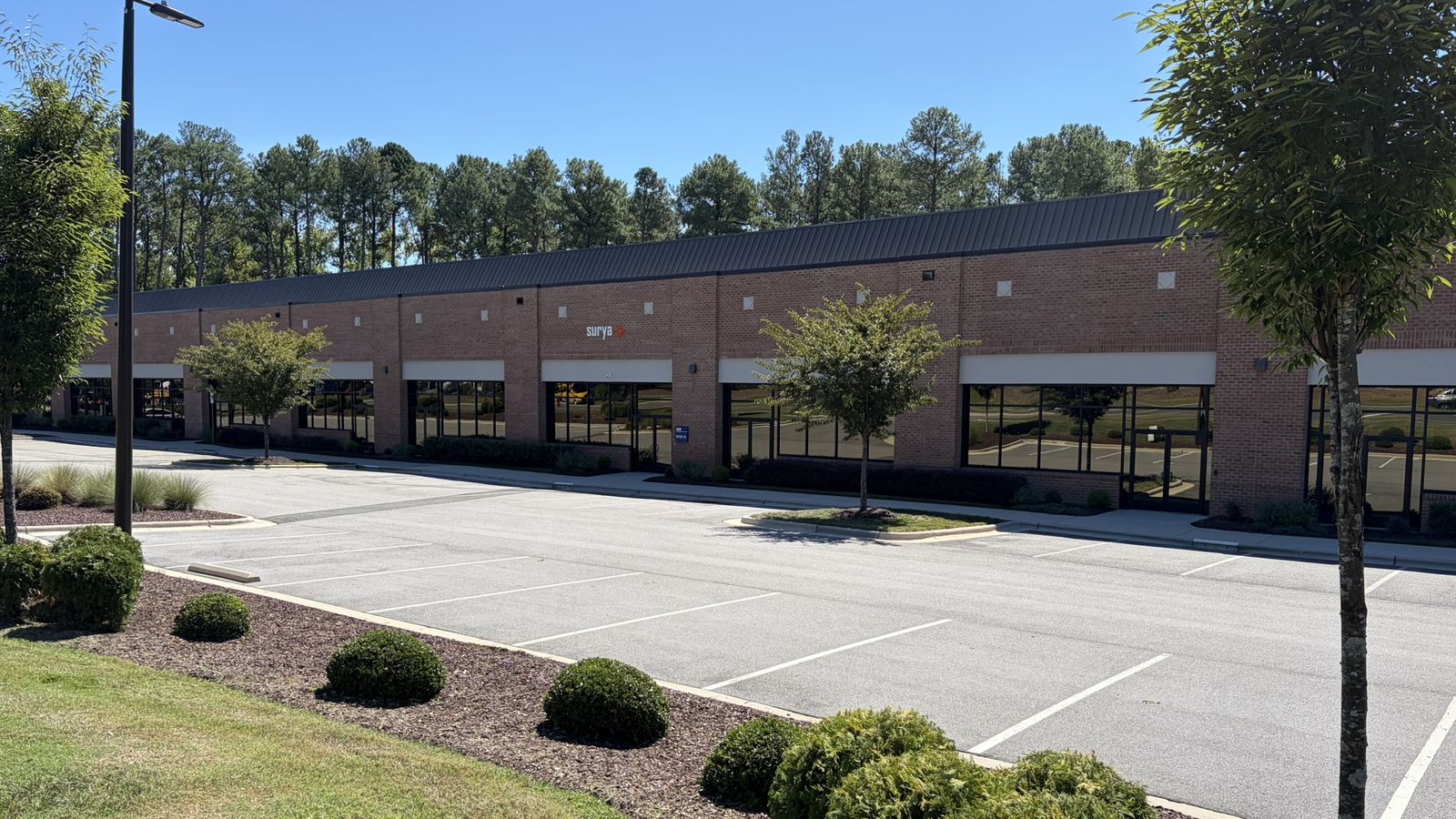
/ Surya RTP Distribution Center - Research Triangle Park, NC
Site network equipment prepared to the standard.
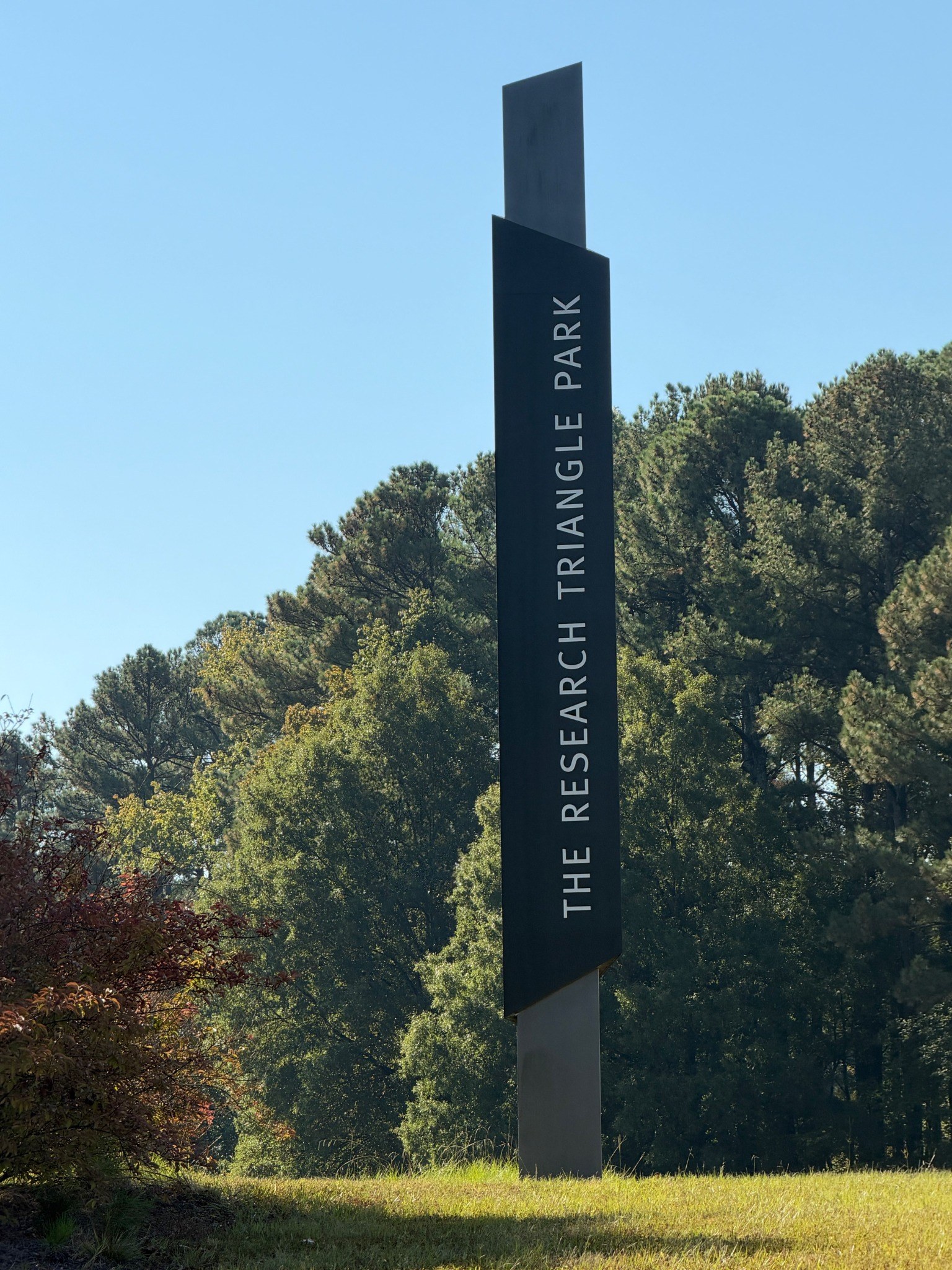
Edge, switching and wireless equipment Surya specifies under Fabric, on the customer's paper, is prepared at the Surya RTP Distribution Center on the standard configuration before installation and testing at your site.
- Prepared on the standard configuration
- Installed and tested at your site before operation
- Supported components replaced as agreed
Agents coordinate the approved work. Surya people do the physical preparation, delivery and installation; support is 24/7, and physical work follows the schedule agreed in your scope.
/ Two outcomes
Resilience outcome
Keep locations connected and make network recovery predictable.
Security outcome
Control which systems can connect and limit the spread of threats across the site.
What Surya operates to deliver them.
Surya supplies and operates the supported site-network system, including equipment, configuration, permitted connections, and recovery procedures.
/ What can be tested or evidenced
- Network inventory and approved configuration.
- Tests of permitted and prohibited connections.
- Supported recovery and included failover test results.
Enforcement claims apply to the network Surya operates. A visibility-only scope does not provide segmentation enforcement.
Automated reporting to Vanta
Fabric supports automated reporting to Vanta for its agreed site-network scope.
Surya can arrange independent auditor relationships as part of your product scope when your requirements call for them.
The evidence listed illustrates the product's contribution; the configured reporting scope determines which records are transmitted automatically. Vanta licensing, connection scope, reporting details and any third-party assessment fees are confirmed in the commercial scope.
/ Industry compliance support
Manufacturing and CMMC support →
Separation of business and operational systems, with supported OT visibility and controlled access.
Healthcare and HIPAA support →
Controlled connections among business, guest, and supported clinical or device networks.
Each link explains this product's contribution. No single product independently covers every requirement.
/ Price
$250 per security appliance · $100 per switch · $50 per access point, per month
The price follows the equipment on the dashboard, so a six-person clinic with one firewall, one switch and one access point is $400 and a plant with two appliances, eight switches and twenty access points is $2,300.
Figures in USD. Confirmed in a written quote against a declared scope. See the price book
/ Two ways in
Manage in place, or move to the standard kit.
Keep what you have
Surya takes over the supported network already at the site. $2,000 takeover per site.
Standard kit
Standardized equipment you buy as a separate one-time transaction, on your paper, through Surya or your own source; deployed site by site. The $4,000 deployment fee covers configuration, segmentation, failover, monitoring onboarding and acceptance; it does not include the kit.
Both paths use the same monthly device rates: $250 per security appliance · $100 per switch · $50 per access point, per month.
The two kits
- Full Meraki.
- Hybrid Meraki, with Cisco Catalyst switching cloud-managed from the Meraki dashboard.
Surya specifies, configures and operates the site network. The kit and its spare set, Meraki licensing, circuits and sensor platform are on your paper.
/ What the element covers
- Surya specifies, configures and operates the site network; the equipment, licensing and circuits are on your paper, through Surya or your current source
- Installation and pre-operation testing of the specified system
- Segmentation and allowed paths from the shared specification
- Connectivity, with a tested alternate path where the selected profile includes one
- Network inventory, firmware lifecycle and configuration protection
- Replacement of a supported component without the original designer
One defined system, from equipment through ongoing operation.
You buy one engineered system rather than assembling a network from parts and providers. Surya specifies the edge, switching and wireless equipment on the standard configuration, sets the segmentation and the paths allowed across it from the shared specification, installs the system and tests it before your site operates on it.
From there the same system is maintained: firmware lifecycle, inventory and configuration protection are operated continuously, and a supported component can be replaced without the original designer.
One profile per site, not one design per site.
Each supported site is built from Surya's released network profiles. Configuration, maintenance and recovery follow the same operating standard, with changes managed through the product's release process.
The supported scope stays bounded. Site readiness, structured cabling, building power, carrier accounts and carrier repair, and production machinery keep their existing owners.
Recovery is a tested procedure.
The approved configuration can be restored, and losing each included path produces a declared result. A single connection is never sold as redundant, and carrier repair, building power and production machinery remain outside Surya's control.
OT and CPS security with Claroty, Fabric optional.
OT and CPS security with Claroty is a separate purchase that works on the network you already run. Surya Fabric adds a standardized site network that Surya specifies, configures and operates, with the equipment, licensing and circuits on your paper, with segmentation and approved access policies applied under Surya's responsibility to the network components in Fabric scope.
Fabric is the optional step when you want Surya to operate the network as well.
Inside your compliance boundary
A site network whose configuration an auditor can read.
- Set to policy:
- segmentation, administrative access, the change window, the dashboard organization admin held by you.
- Recorded:
- A configuration record at handover; a change record for every change after.
- Evidenced:
- Where Surya Endpoint is in place, the configuration record and change evidence go into your compliance platform.
The hires that stand on this product
A plant group

A clinic group

What stands behind them, where in scope: the supply chain at the Surya RTP Distribution Center, prepared replacements at your sites, agentic compute at RTP. See how the work gets done →
/ OT and CPS security - Claroty
OT and CPS security with Claroty, bought on its own.
OT and CPS security with Claroty is a separate purchase that works on the network you already run. Surya Fabric adds a standardized site network that Surya specifies, configures and operates, with the equipment, licensing and circuits on your paper, with segmentation and approved access policies applied under Surya's responsibility to the network components in Fabric scope.
See OT and CPS security with Claroty → Agent deliverySol - With agreed operation: connected asset visibility and evidence
/ The stack
One stack.
Each one can be bought directly and works with what you already run.
Standby, Endpoint and Fabric together are Surya Foundation →/ Deployment
Your first deployment.
Deployment starts with a defined scope - one component, one site or one group of equipment - rather than the whole estate. Components such as a conference room or a smart locker are deployed and handed over on their own. Within the full workstation and site-network products, Standby provides the prepared physical recovery layer. Endpoint or Fabric is deployed to the released profile when that deeper scope is purchased, at the outset or later.
Starting Surya Fabric means managing the existing network in place or moving the site to the standard kit. Surya sets the standard configuration, installs and tests it before the site operates on it, and then maintains its performance, security and recovery. Site readiness, structured cabling, building power, carrier accounts and repair, and production machinery keep their existing owners.
/ 01
Choose the scope
The products, the equipment classes, one site or one device group. The scope is written down before anything is installed.
/ 02
Compatibility review
For Standby, the configurations Surya will capture and reproduce, the physical placement and the approvals the replacement workflow needs. For Endpoint, your environment is checked against the released profile, including identity and platform dependencies. For Fabric, the sites, connectivity, cabling and site readiness the site network needs are checked; Surya specifies, configures and operates it, and the equipment, licensing and circuits are on your paper, through Surya or your current source.
/ 03
Written prerequisites
Anything that must change first is stated in writing, together with the approvals your organization needs to give.
/ 04
Installation
Surya installs the agreed physical arrangement and the prepared replacements, deploys and tests the site network where Fabric is purchased (Surya specifies, configures and operates it; the equipment, licensing and circuits are on your paper), and configures any purchased Endpoint scope to the released standard.
/ 05
Acceptance tests
Each product is accepted against its own tests, so the result is inspectable rather than asserted.
/ 06
Ongoing operation
Surya operates the accepted scope, and faults inside it are Surya's to resolve.
What changes in your environment
- Surya Standby reproduces the configurations you already run; it does not require your estate to be rebuilt first, and keeping your existing production setup is not a barrier to it.
- Standby prepares replacements for your existing supported equipment and configurations. Endpoint can retain devices where its released profile permits. Fabric specifies, configures, installs and tests the network system for the agreed sites; the kit is on the customer's paper.
- Where Endpoint is purchased, configurations inside that purchased scope are brought to the released profile, which can change how some settings are managed today, and replacement preparation then follows that baseline. Where Fabric is purchased, the supported site network runs on the Surya-specified system and its standard configuration. Equipment and identity models outside the purchased scope are unaffected.
- Approvals from an accountable owner are required for consequential changes.
- Providers responsible for adjacent systems, applications or machinery remain responsible for them, and Standby on its own leaves ongoing tenant, endpoint and network administration where it is today.
An illustrative first deployment covers the supported network at one site: the site network Surya specifies, configures and operates, with the equipment, licensing and circuits on your paper, the agreed connections between systems, configuration recovery, and tests of permitted and blocked access before the site operates on it. Site prerequisites such as readiness, structured cabling and power are identified before installation.
Each product has its own prerequisites. Standby does not require Endpoint or Fabric, and buying Fabric does not automatically require Endpoint. Any dependencies that extend beyond the selected site are identified during qualification.
What it depends on
Site readiness, structured cabling, declared power dependencies, and the customer's carrier accounts.
What it excludes
The supported site-network scope written into your agreement, not every system that connects to it. A single connection is not sold as redundant. Site readiness, structured cabling, building power, carrier accounts and carrier repair, and production machinery stay outside Surya's control. Equipment ownership and commercial terms are set out in the written proposal and agreement.
How it is accepted
Inventory matches the installation; required business paths succeed; prohibited cross-segment access is denied; the approved configuration can be restored; losing each included path produces the declared result.